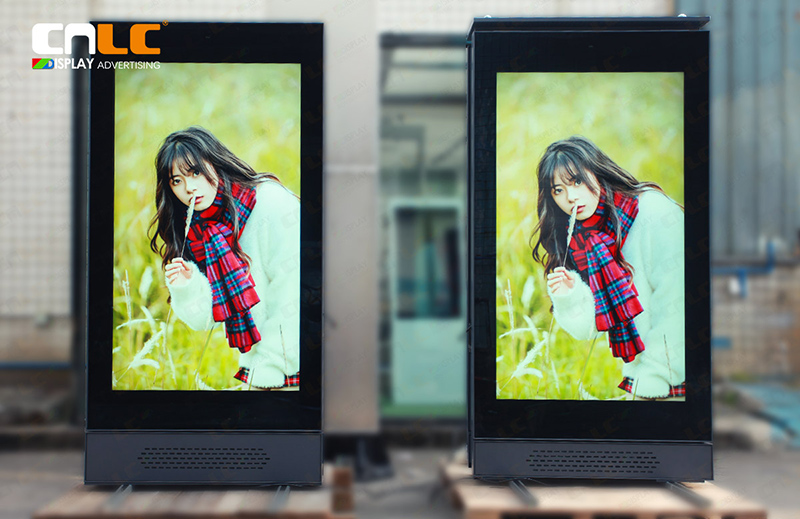
Choosing the right LCD digital signage display involves more than comparing screen size and resolution. Brightness, contrast, orientation, thermal management, enclosure material, IP rating, operating temperature, and the intended application can all affect display performance and long-term reliability.
For indoor retail, public information displays, transportation facilities, or outdoor advertising, the required specifications can be very different.
This guide explains the key specifications to consider when selecting LCD digital signage and provides practical questions to ask a digital signage manufacturer before purchasing.
What Specifications Should You Check When Choosing LCD Digital Signage?
The right specifications depend on where and how the display will be used. The following parameters are particularly important when evaluating an LCD digital signage solution.
1. LCD Panel and Display Quality
The LCD panel is one of the core components of a digital signage display. Panel manufacturer, panel technology, resolution, viewing angle, color performance, and operating temperature can all affect the final display experience.
Panel manufacturers such as LG Display, Samsung Display, AUO, and others are widely used in commercial display applications. However, panel brand alone does not determine the performance of the finished product.
The complete display system should also be evaluated, including the backlight, control electronics, thermal design, optical structure, and enclosure.
When comparing suppliers, ask for the actual panel specifications rather than evaluating the product only by panel brand.
2. Brightness
Brightness determines how clearly content can be seen under different ambient lighting conditions.
Standard indoor digital signage generally requires less brightness than displays installed outdoors or in locations exposed to strong daylight. Outdoor LCD displays used in direct sunlight typically require significantly higher brightness to maintain visibility.
However, brightness should not be considered independently.
A higher-brightness backlight can generate additional heat, while front glass, optical bonding, reflection control, and installation angle can also affect perceived visibility.
For outdoor applications, evaluate brightness and thermal management together.
3. Contrast Ratio
Contrast ratio describes the difference between the brightest and darkest areas of an image. A higher contrast ratio can contribute to better image depth and more defined dark areas.
However, the specified contrast ratio should be evaluated together with panel technology, brightness, optical design, and the actual viewing environment.
For digital signage, real-world readability can be more important than comparing a single contrast-ratio number between different suppliers.
4. Orientation
LCD digital signage can be designed for either landscape or portrait installation, depending on the application.
Landscape displays are commonly used for:
Advertising screens
Menu boards
Retail displays
Corporate information
Wide-format promotional content
Portrait displays are often used for:
Digital posters
Kiosks
Totem displays
Wayfinding
Public information
Before purchasing, confirm whether the display supports the required orientation and whether the cooling system, internal components, software interface, and mounting structure are designed accordingly.
5. Thermal Management and Operating Temperature
Thermal management is particularly important for displays operating continuously or in hot environments.
A digital signage system generates heat through the LCD panel, backlight, power supply, control electronics, and other components. In outdoor installations, direct sunlight can add another significant heat load.
Depending on the display design, thermal management may include:
Internal airflow channels
Cooling fans
Temperature sensors
Temperature-control strategies
Heat dissipation structures
Air intake and exhaust paths
When evaluating a display, do not look only at the stated operating temperature. Also ask how the system maintains its temperature during prolonged operation under actual environmental conditions.
6. Enclosure Material
The enclosure affects structural strength, weight, heat transfer, environmental protection, and maintenance.
Common materials include aluminum alloy and steel.
Aluminum structures can provide a useful balance between structural performance and weight control while supporting heat dissipation. For outdoor applications, material selection should also consider the installation environment, corrosion exposure, and required protection level.
The enclosure design should be evaluated as part of the complete display system rather than as a separate cosmetic feature.
7. IP Rating
For outdoor LCD digital signage, the IP rating indicates the enclosure's protection against solid particles and water under specified test conditions.
For example:
IP Rating
Solid Particle Protection
Water Protection
IP56
Dust-protected
Powerful water jets
IP65
Dust-tight
Water jets
IP66
Dust-tight
Powerful water jets
IP67
Dust-tight
Temporary immersion under specified conditions
A higher IP number does not automatically mean it is the best choice for every application. The appropriate rating depends on exposure to rain, water spray, dust, humidity, cleaning conditions, and installation requirements.
IP protection is also only one part of outdoor reliability. Thermal management, structural design, materials, and environmental conditions should be considered together.
For a detailed explanation of IP56, IP65, IP66, and IP67, see our guide to IP ratings for outdoor displays.
8. Operating Temperature
The operating temperature range indicates the environmental conditions in which the display is designed to operate.
For indoor applications, the expected temperature range is usually easier to control. Outdoor displays may need to operate through high summer temperatures, low winter temperatures, direct sunlight, rain, humidity, and long operating hours.
When purchasing an outdoor LCD display, check the operating temperature specification of the complete display system, including the panel, power supply, controller, cooling components, and other critical electronics.
Choosing LCD Digital Signage for Different Applications
The best LCD digital signage specification depends heavily on the installation environment and application.
Application
Key Considerations
Retail and shopping malls
Brightness, resolution, viewing angle, orientation
Indoor advertising
Image quality, brightness, content management
Public information
Reliability, readability, continuous operation
Transportation
Visibility, durability, operating environment
Outdoor advertising
High brightness, thermal management, IP protection
Outdoor public information
Brightness, weather protection, temperature range
Kiosks and totems
Orientation, enclosure structure, touch or interactive options
For example, an indoor retail display may prioritize image quality and slim design, while an outdoor advertising display may require higher brightness, stronger environmental protection, and more extensive thermal management.
This is why choosing a display based on a single specification can lead to an unsuitable solution.
Indoor vs. Outdoor LCD Digital Signage
One of the first decisions is whether the display will be installed indoors or outdoors.
Feature
Indoor LCD Digital Signage
Outdoor LCD Digital Signage
Ambient light
Generally controlled
Can include direct sunlight
Brightness
Standard commercial brightness
Higher brightness often required
Thermal management
Moderate
More demanding
Weather protection
Usually limited
IP protection may be required
Operating temperature
More controlled
Wider environmental range
Enclosure
Focus on appearance and installation
Protection and thermal design both important
Environmental exposure
Limited
Rain, dust, humidity, UV, solar radiation
For outdoor installations, the display should be evaluated as an integrated environmental system rather than simply an indoor LCD placed inside a weather-resistant enclosure.
What Should You Ask an LCD Digital Signage Supplier?
Before placing an order, buyers can use the following questions to compare different suppliers:
What LCD panel and specifications are used?
What brightness levels are available?
What is the supported orientation?
What is the operating temperature range?
How is heat managed during continuous operation?
What IP rating is available for outdoor models?
What enclosure material is used?
What certifications are available?
What warranty and technical support are provided?
Can the display be customized for a specific application?
Does the manufacturer support OEM or ODM projects?
Are project references or application examples available?
These questions help buyers evaluate not only the display itself, but also the supplier's engineering and manufacturing capabilities.
How CNLC Approaches LCD Digital Signage Design
When developing LCD digital signage, CNLC considers the application environment together with the required display specifications.
Depending on the project, key considerations may include brightness, panel configuration, orientation, thermal management, enclosure material, IP protection, operating temperature, and installation requirements.
For outdoor applications, these factors need to work together. A high-brightness panel can improve visibility in strong ambient light, but it also increases the importance of thermal management. Similarly, a higher IP rating provides greater protection against specified environmental exposure, but enclosure sealing must be considered together with heat dissipation.
CNLC supports LCD digital signage solutions for indoor and outdoor applications, with standard and customized configurations available for different project requirements. OEM and ODM support can also be provided for application-specific display designs.
This approach allows the display configuration to be matched more closely with the actual installation environment rather than relying on a one-size-fits-all specification.
Real-World LCD Digital Signage Projects
CNLC has supplied LCD digital signage for outdoor advertising, smart city, public information, and interactive applications.
Project
Application
Quantity
Display
Guangzhou FlowerCity Square
Outdoor advertising & public information
200 units
49-inch outdoor LCD flag totem
Guangzhou FlowerCity Square
Smart city
36 units
outdoor LCD totems
European Smart City
Interactive public information
47 units
55-inch outdoor LCD touch display
Europe DOOH
Outdoor advertising
300 units
55/65/75-inch outdoor LCD
Explore more LCD digital signage projects and application examples on our Case Studies page.
Frequently Asked Questions
What brightness should an outdoor LCD digital signage display have?
The required brightness depends on ambient light, direct sunlight exposure, viewing distance, optical design, and application requirements. Outdoor displays exposed to strong daylight generally require significantly higher brightness than indoor displays.
What IP rating is suitable for outdoor LCD digital signage?
The appropriate IP rating depends on exposure to rain, water spray, dust, cleaning conditions, and installation requirements. IP65 and IP66 are commonly considered for applications requiring dust-tight protection and water-jet resistance, while IP67 is relevant when temporary immersion is part of the specified requirement.
What operating temperature should an outdoor LCD support?
The required temperature range depends on the installation location and local climate. The complete display system should be evaluated, including the LCD panel, power supply, controller, and cooling components.
What should I ask an LCD digital signage manufacturer before purchasing?
Ask about panel specifications, brightness, operating temperature, thermal management, IP rating, enclosure material, certifications, warranty, customization capabilities, and relevant project experience.
Can LCD digital signage be customized?
Yes. Depending on the manufacturer, customization may include display size, brightness, orientation, enclosure structure, mounting method, environmental protection, and other application-specific requirements.
Conclusion
Choosing the right LCD digital signage requires more than comparing screen size, resolution, or price.
Brightness, contrast, orientation, thermal management, enclosure material, IP rating, operating temperature, application environment, and supplier capabilities should all be considered together.
For indoor applications, image quality and installation requirements may be the main priorities. For outdoor digital signage, brightness, heat management, environmental protection, and operating temperature become increasingly important.
A reliable LCD digital signage supplier should be able to explain not only the product specifications, but also how the display is designed for its intended environment.
CNLC provides LCD digital signage solutions for commercial and outdoor applications, supporting different display configurations, environmental requirements, and OEM/ODM project needs.
Explore CNLC LCD digital signage solutions to learn more about our display engineering and reliability design.