what are you looking for?

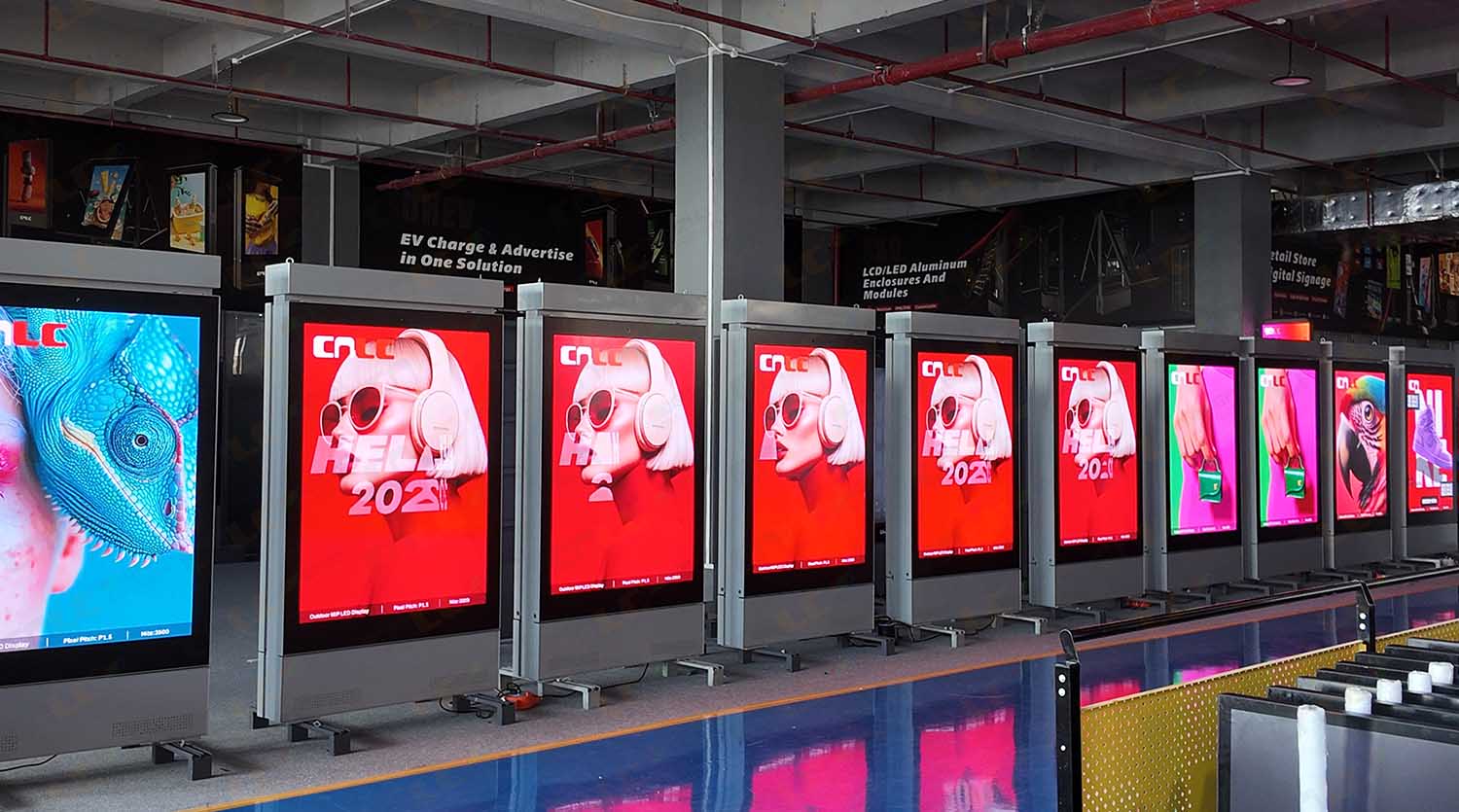
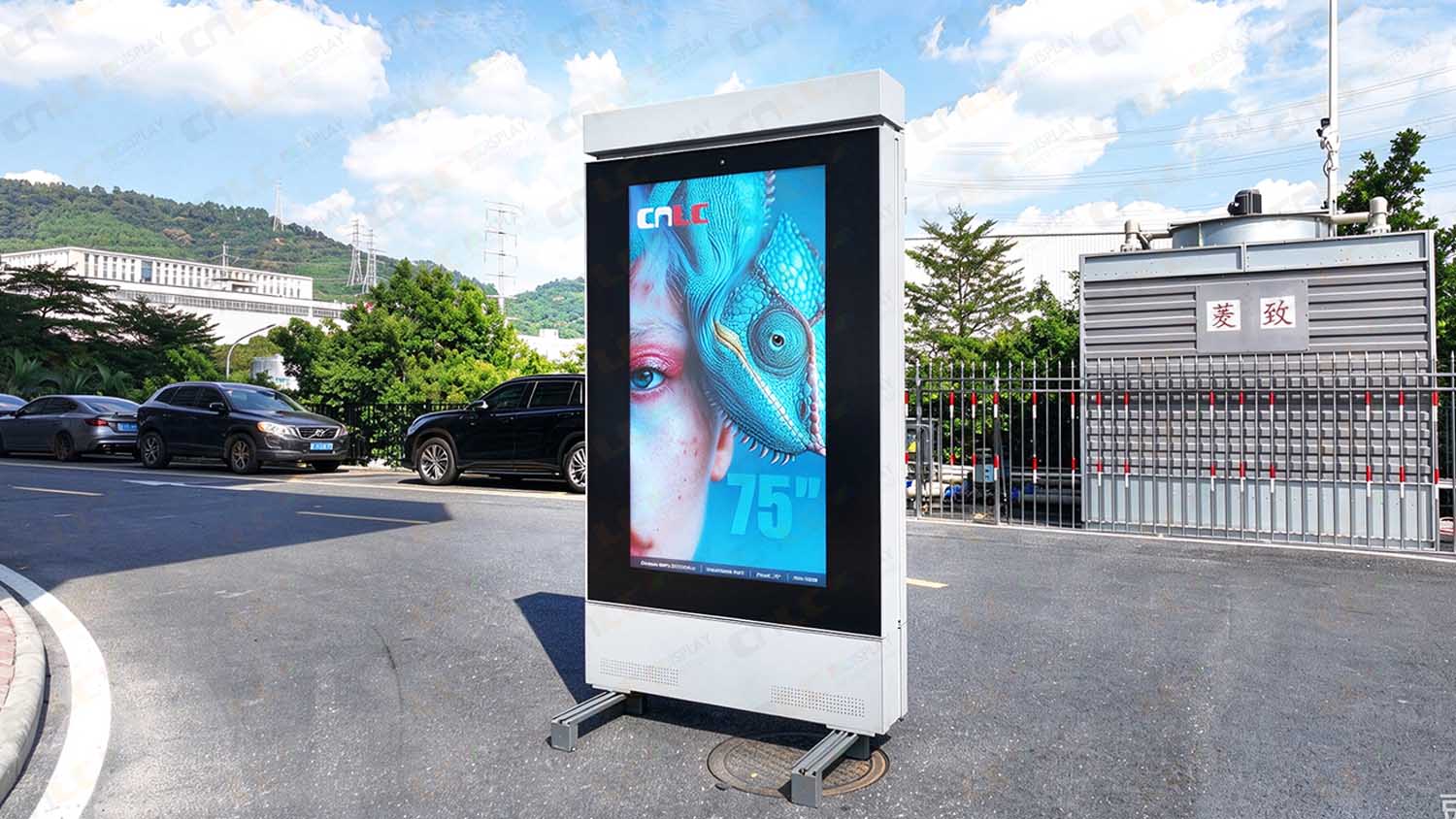
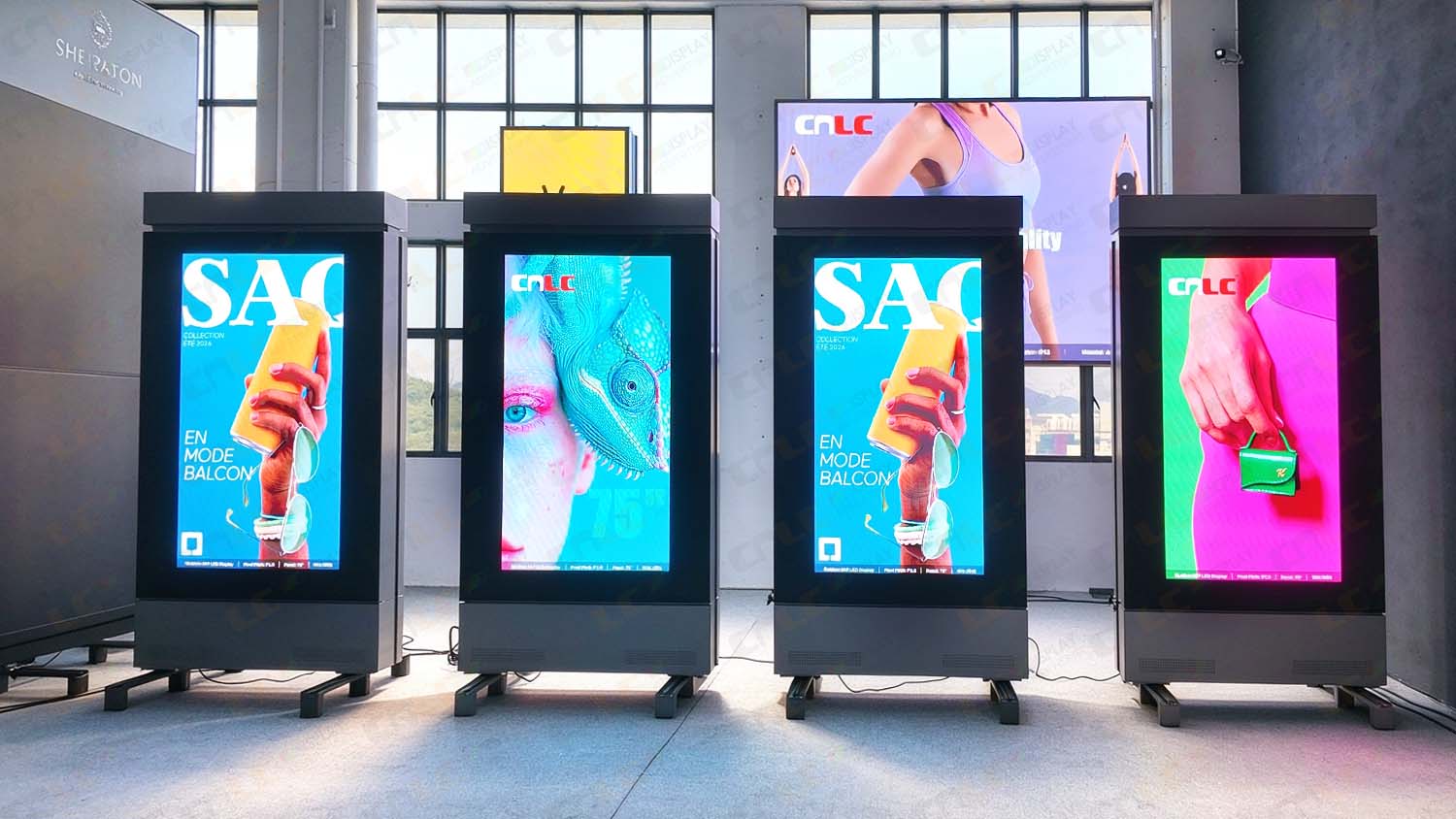
A European outdoor media service provider selected CNLC to supply fine-pitch MiP outdoor LED totem displays for its urban digital advertising network. The displays are designed for deployment in commercial streets, public spaces, and outdoor advertising locations, supporting high-quality digital content and brand communication.
The project required high-resolution images for close-range viewing, reliable outdoor protection, consistent display performance across multiple units, and long-term operational stability.
To meet these requirements, CNLC provided a customized fine-pitch outdoor MiP LED totem display solution, featuring a four-layer, 2-step HDI PCB design, yellowing-resistant GOB encapsulation, and anti-reflective glass with optimized optical properties.
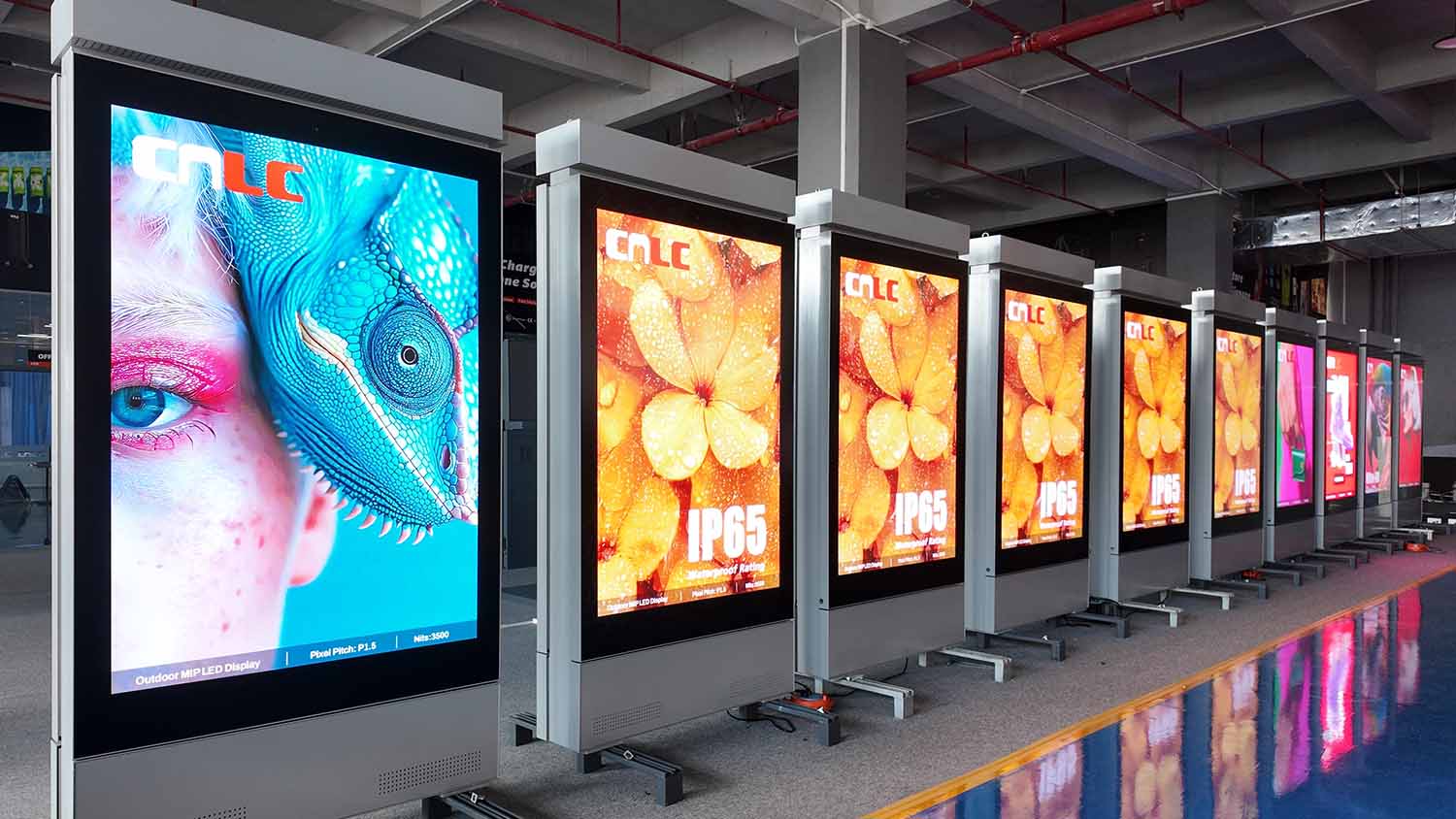
The displays deliver a peak brightness of 4,000–4,500 nits, IP65-rated enclosure protection, and an aluminum profile cabinet structure. Before shipment, each unit underwent point-by-point brightness and color calibration, as well as high- and low-temperature cycling tests to verify display consistency and environmental adaptability.
Each totem features a dual-sided design, with an LED display on one side and a static illuminated lightbox on the other, combining dynamic digital advertising with traditional brand presentation in a single unit.
Based on the installation environment and the customer's application requirements, several key factors needed to be addressed during product development.
Fine-Pitch Display Quality and Multi-Unit Consistency
Fine-pitch LED displays are designed for applications where viewers may stand relatively close to the screen. In addition to image clarity and detail, the customer required consistent brightness and color reproduction across all units to minimize visible differences after installation.
Front Glass and LED Module Protection in Public Areas
As the displays are installed in public outdoor environments, the front protective glass must withstand impacts from hard objects, flying debris, and accidental contact during cleaning and maintenance.
Impact energy can be transferred through the glass to the LED modules. In addition, scratches or cracks on the glass may compromise the protective barrier, potentially allowing foreign particles and moisture to reach the modules. This makes both glass impact resistance and module-level protective measures important considerations.
Outdoor Temperature Fluctuations and Thermal Management
Outdoor digital signage must operate under changing environmental conditions, including seasonal temperature variations and day-to-night temperature differences. LED chips and driver components generate heat during continuous operation, making PCB thermal conductivity and overall heat dissipation essential to long-term operating stability.
Display Visibility Under Strong Ambient Light
The displays need to maintain good image visibility in natural daylight while minimizing reflections and glare from the surrounding environment.
Batch Production and Delivery Quality Control
All units needed to be manufactured and delivered according to the project schedule. The customer also expected standardized factory testing and calibration to reduce on-site adjustment work and maintain consistent product quality across the entire batch.
The project features customized fine-pitch MiP outdoor LED totem displays with the following main specifications:
Product Type : MiP Outdoor LED Totem Display
Project Quantity : 30 units
Pixel Pitch : P1.5 mm
Peak Brightness : 4,000–4,500 nits
Application: Urban Outdoor Digital Advertising in Europe
To address the customer's requirements for image quality, outdoor protection, thermal management, and batch delivery, CNLC optimized the display solution across LED module design, optical protection, enclosure construction, and factory quality control.
The LED modules feature a four-layer, 2-step HDI PCB structure combined with high-thermal-conductivity materials.
This design optimizes internal heat transfer paths, helping dissipate heat generated by LED chips and driver components during operation. By improving thermal management at the module level, the PCB design provides a reliable foundation for continuous outdoor operation at high brightness levels.
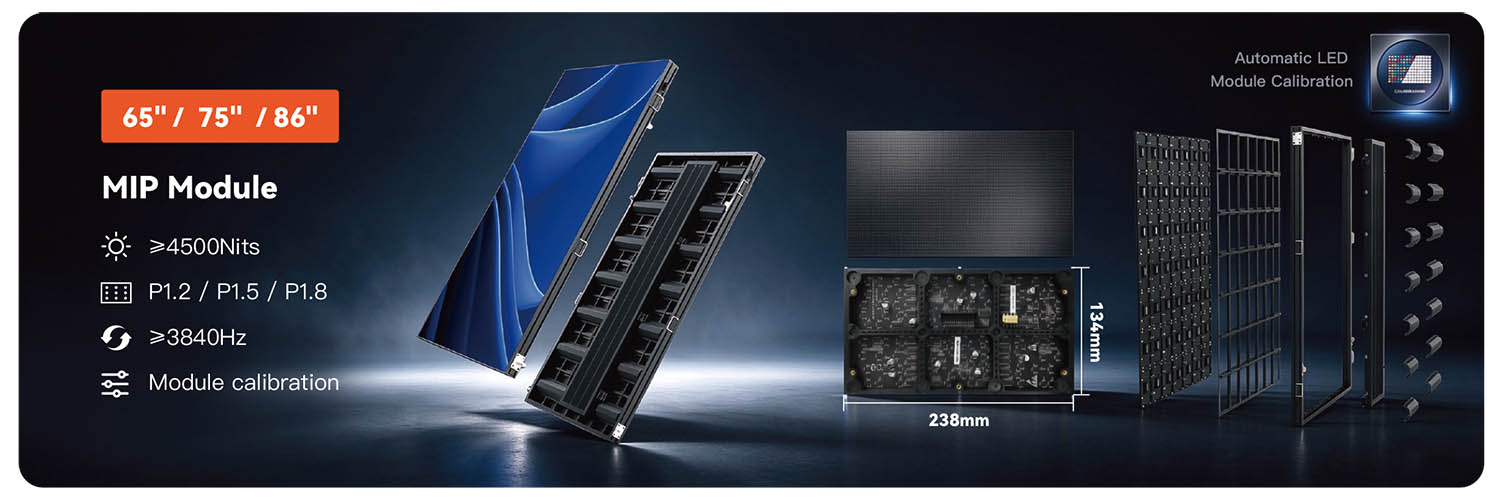
The front surface of each LED module uses GOB (Glue on Board) encapsulation, in which transparent protective glue covers the LED chips to improve surface protection and reduce the risk of damage caused by scratches and accidental contact.
The GOB material also provides supplementary dust and moisture protection. Its yellowing-resistant properties help maintain the appearance and optical consistency of the encapsulation layer during long-term outdoor exposure.
On the rear side, silicone potting seals the circuit components and electronic parts, providing additional protection against environmental exposure.
Together, the front GOB encapsulation and rear silicone potting create a dual-sided module protection structure designed to improve reliability in outdoor operating environments.
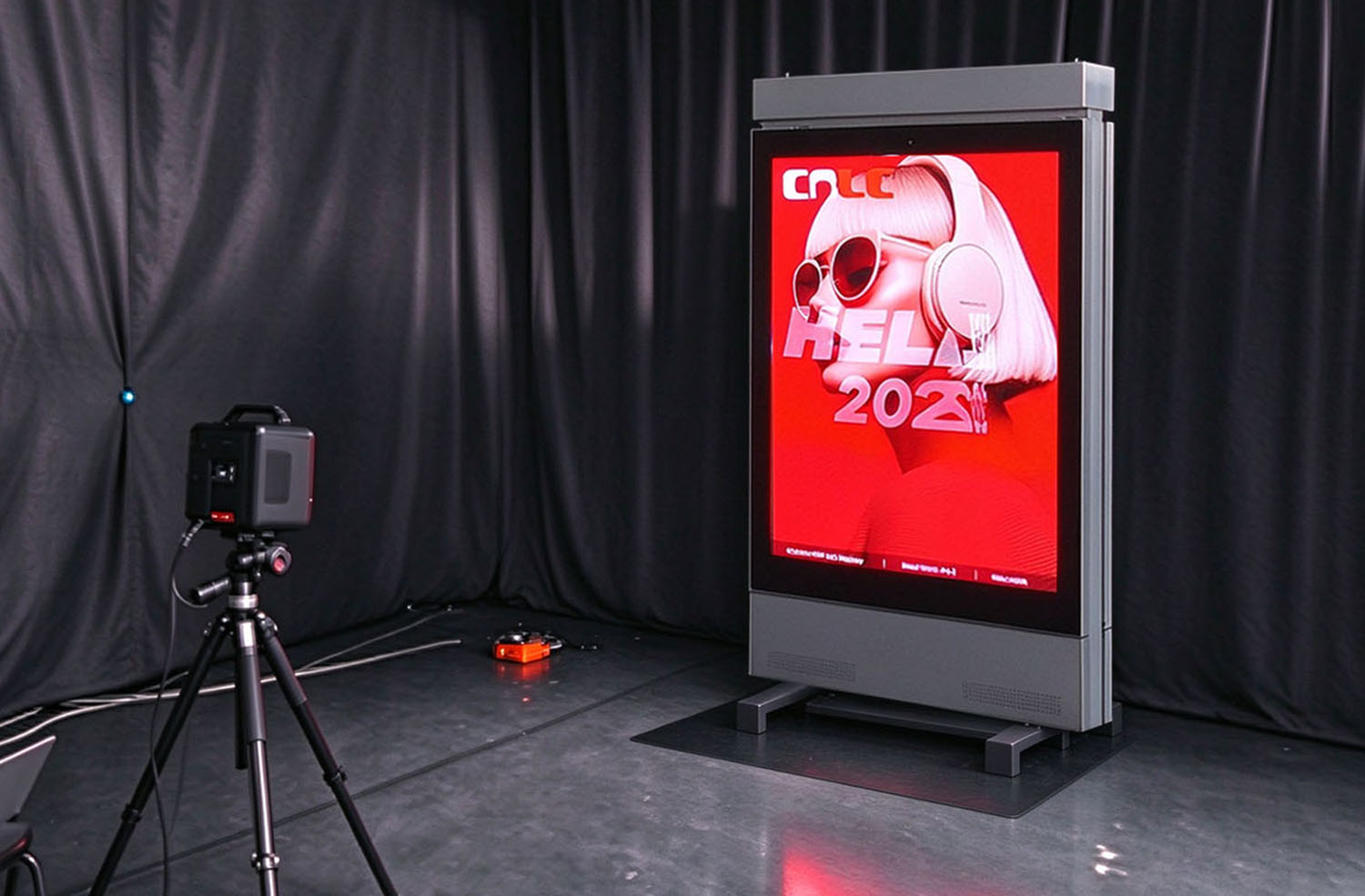
To support consistent performance across all units, CNLC performs point-by-point brightness and color calibration before shipment.
Each individual LED pixel is calibrated to minimize brightness and color variations between modules, helping maintain visual consistency across the complete display and reducing the amount of adjustment required during on-site installation.
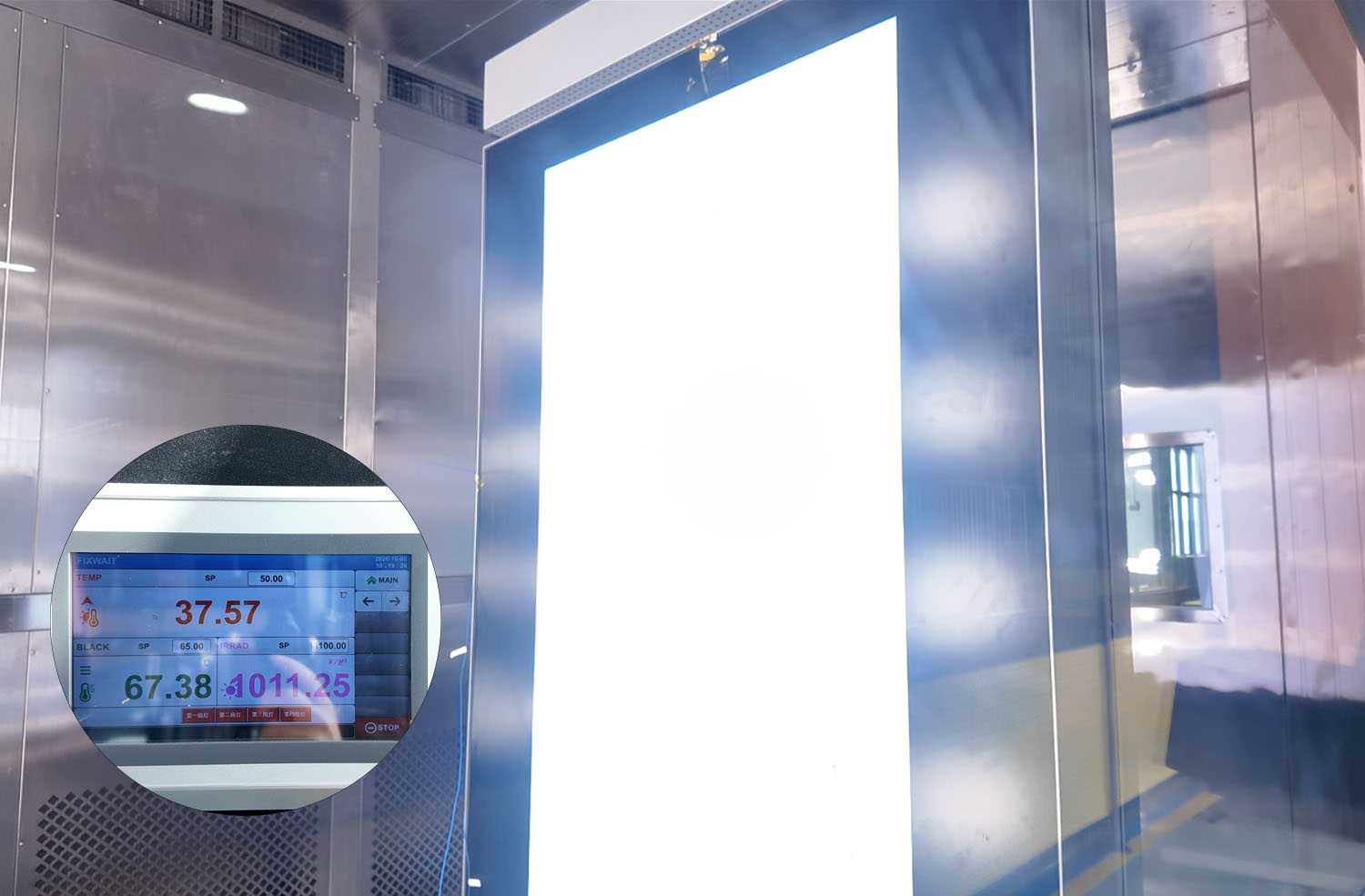
The complete displays also undergo solar radiation testing before delivery. This test simulates prolonged outdoor solar exposure to evaluate display stability and material performance under sustained sunlight.
The testing helps assess the ability of the LED modules, optical layers, and enclosure structure to withstand solar radiation without significant color deviation, optical layer deterioration, or performance degradation.
These procedures provide an additional basis for evaluating the environmental adaptability of the displays for long-term outdoor deployment in Europe.
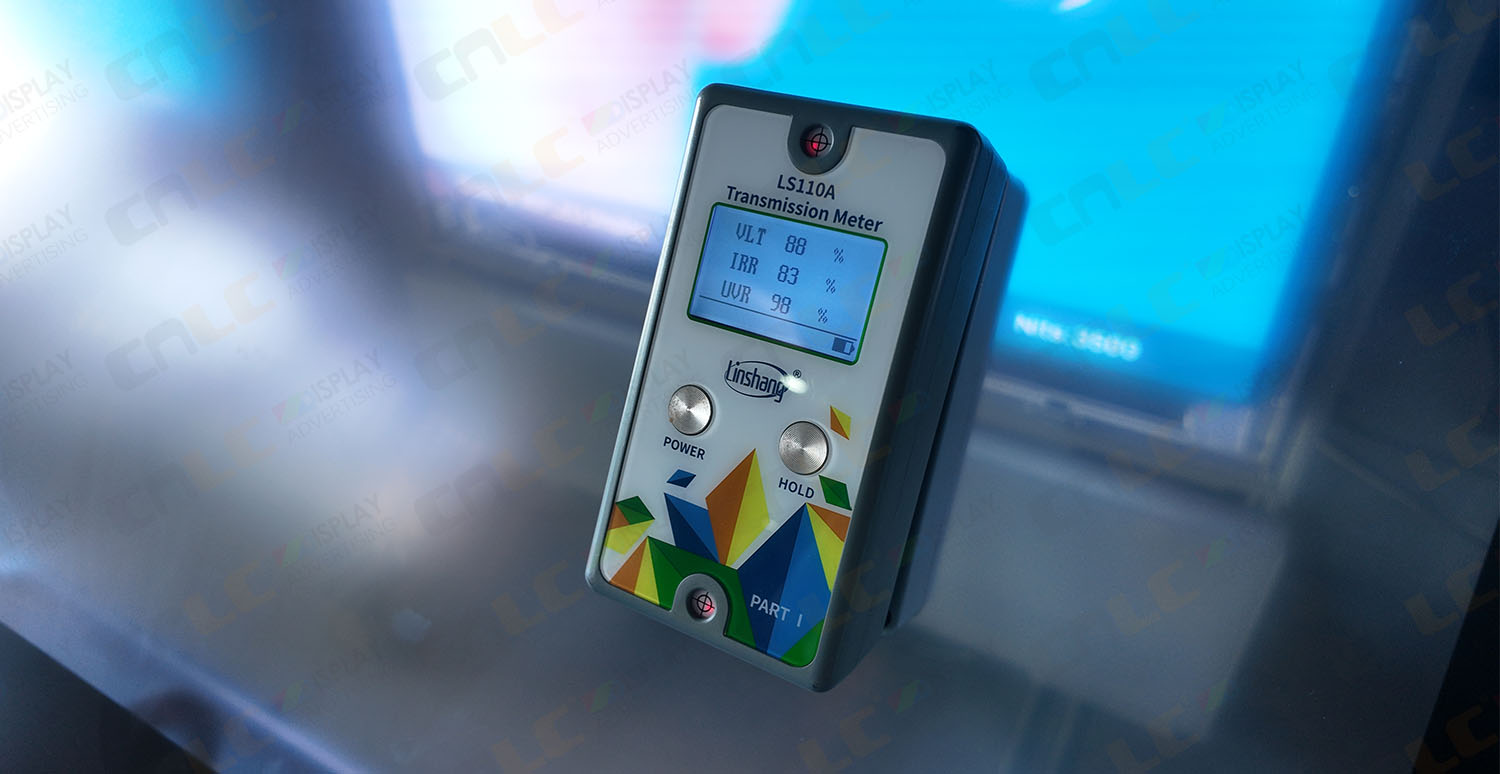
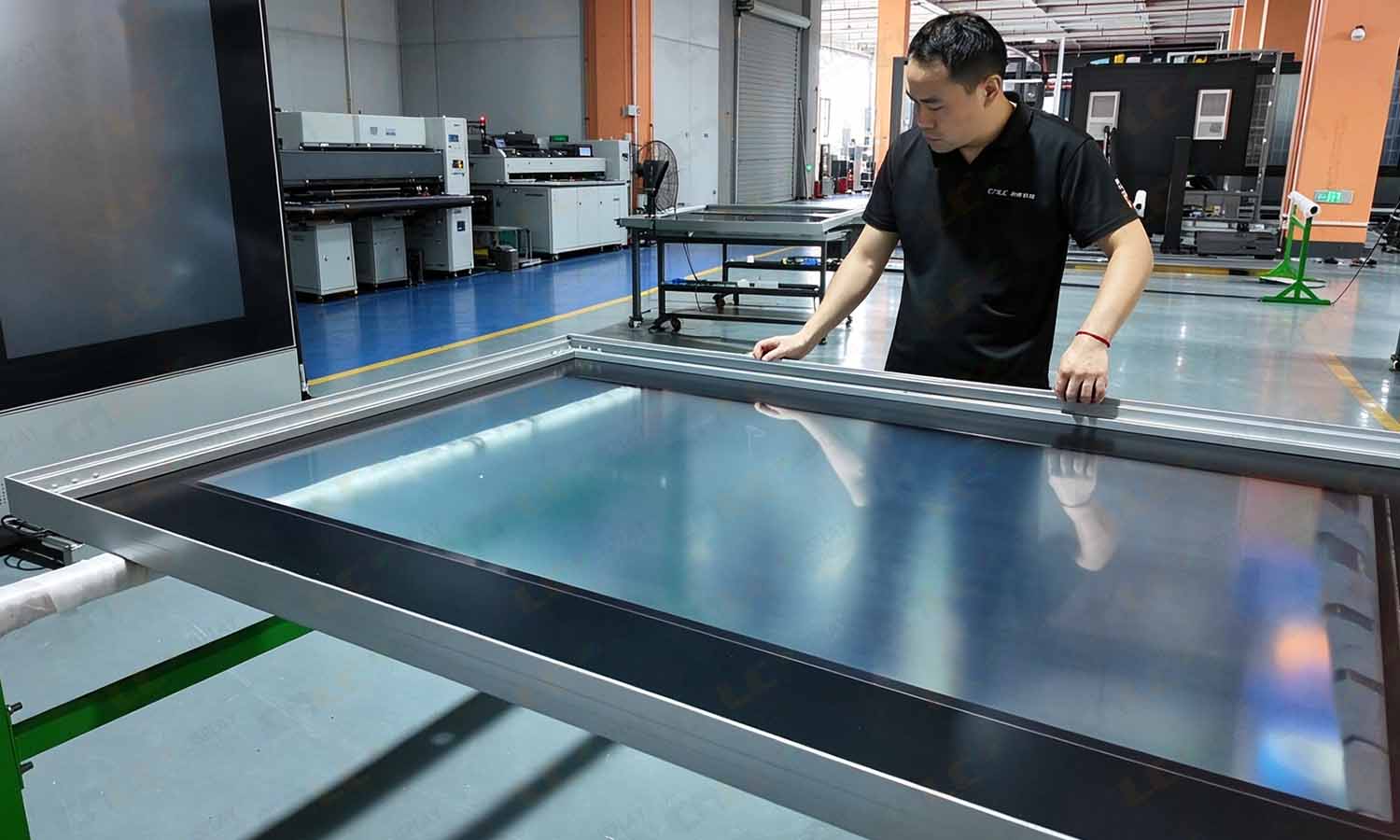
The front of the display features anti-reflective protective glass combined with a high-temperature-resistant transparent protective film, balancing physical protection with optical performance.
The glass has the following optical test specifications:
| Optical Parameter | Test Result |
| Visible Light Transmittance (VLT) | 88% |
| Infrared Rejection Rate (IRR) | 83% |
| Ultraviolet Rejection Rate (UVR) | 98% |
| Impact Protection Rating | IK10 |
The 88% visible light transmittance helps minimize brightness loss as light passes through the glass. The 83% infrared rejection rate reduces infrared radiation entering the display, while the 98% UV rejection rate helps limit UV-related aging of internal components.
The anti-reflective coating reduces surface reflections and glare, improving viewing comfort in outdoor advertising environments.
In addition, the front protective glass meets the IK10 impact protection rating, providing enhanced resistance to impacts from hard objects and accidental contact during cleaning and maintenance.
With a peak brightness of 4,000–4,500 nits, the MiP LED totem displays are designed to maintain clear and vivid images under natural daylight and bright outdoor conditions.
The complete enclosure features an IP65 protection rating, offering protection against dust ingress and water jets from all directions.
This combination of high brightness and outdoor protection makes the displays suitable for commercial streets, public squares, shopping areas, and other outdoor digital signage applications.
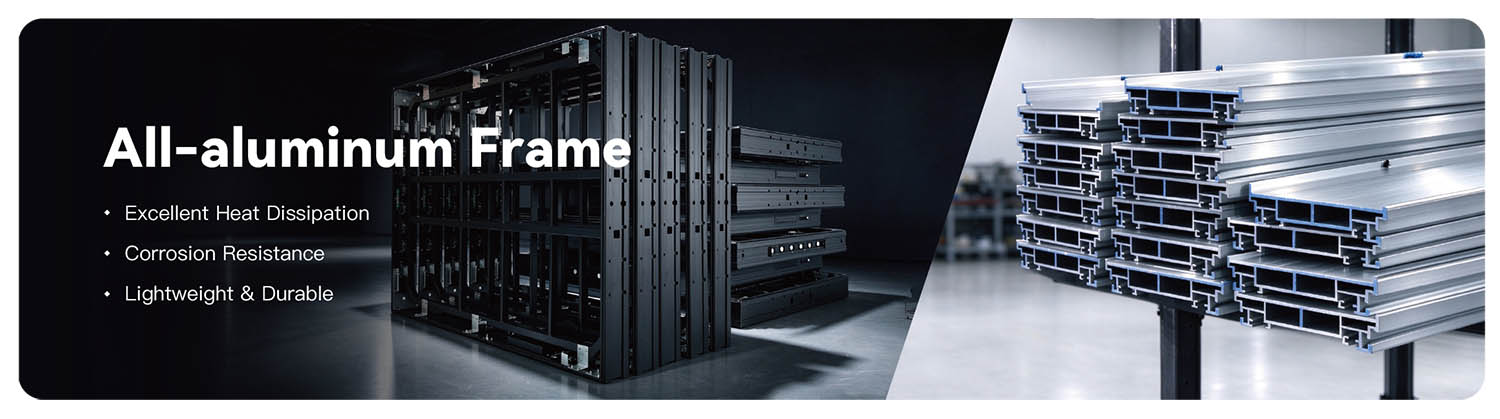
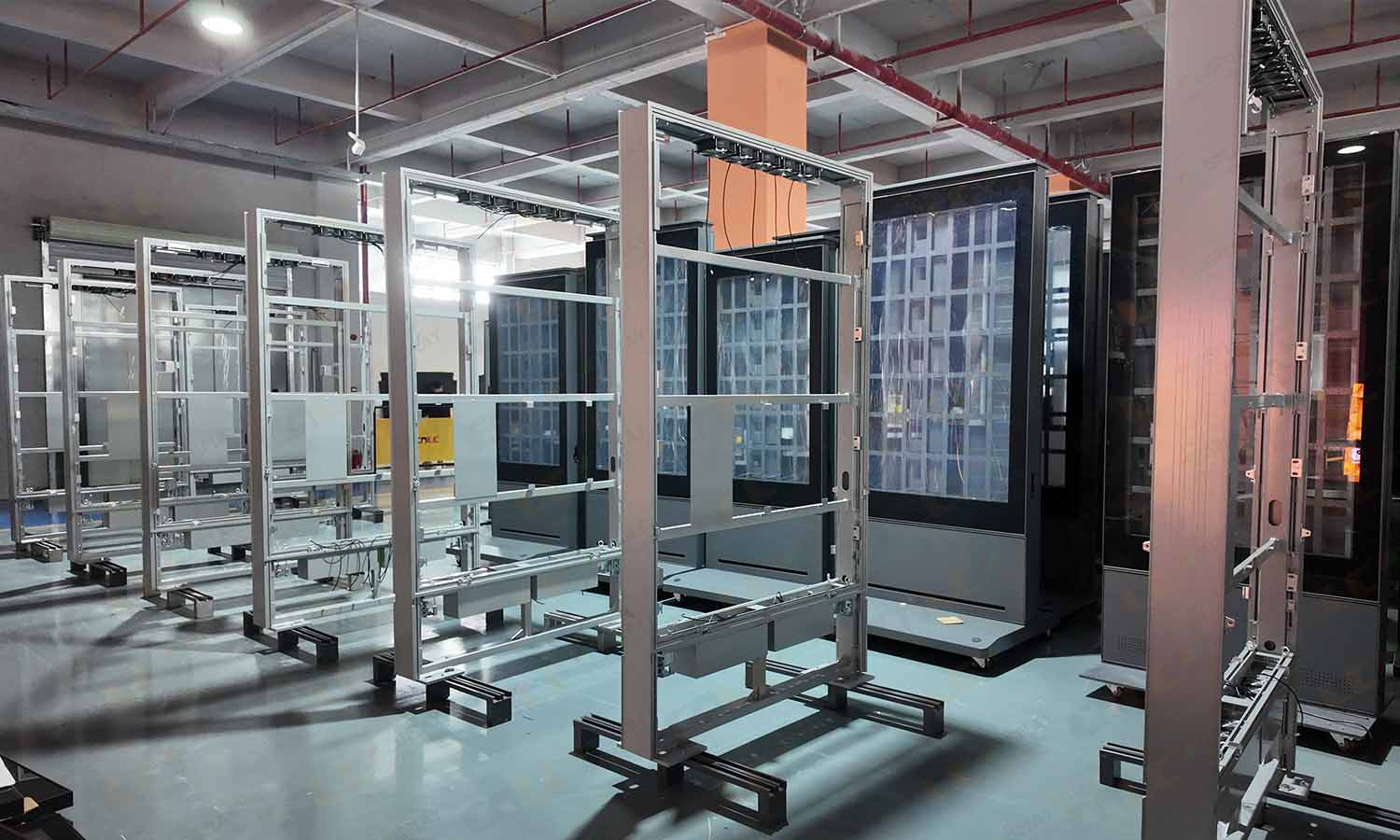
The complete display uses an aluminum profile cabinet, combining structural strength, thermal performance, and corrosion resistance.
The aluminum structure provides a stable mounting framework for the LED modules and electrical components while supporting the overall structural requirements of outdoor totem displays.
Each totem combines a dynamic LED display on one side with a static illuminated lightbox on the other.
This dual-sided configuration allows operators to display digital video advertisements and dynamic promotional content while using the opposite side for static brand graphics, promotional posters, or other illuminated visual materials.
By combining two display formats in one structure, the solution supports more flexible advertising applications and maximizes the use of each installation location.
To meet the requirements of this batch project, CNLC followed a standardized manufacturing and quality control process covering LED module production, optical calibration, complete unit assembly, and final inspection.
The main production and testing stages included:
LED Module Production and Inspection: MiP module assembly and GOB surface encapsulation.
Optical Calibration: Point-by-point brightness and color calibration to improve display uniformity.
Complete Unit Assembly: Integration of LED modules, aluminum profile cabinets, and supporting components.
Environmental Reliability Testing: High- and low-temperature cycling tests and solar radiation testing to evaluate operating stability under varying temperature conditions and prolonged sunlight exposure.
Final Factory Inspection: Comprehensive checks of display performance, structural integrity, and functional operation before shipment.
Through these standardized procedures, CNLC aims to maintain consistent product quality across the batch, support scheduled delivery, and reduce potential installation and commissioning risks at the project site.


With fine-pitch image quality, high brightness, and outdoor protective construction, fine-pitch MiP LED totem displays are suitable for a variety of commercial and public information display applications, including:
Urban pedestrian streets and commercial districts
Shopping malls and premium commercial plazas
Outdoor brand advertising locations
Commercial parks and building entrances
Public squares and urban information display areas
Tourism districts and cultural commercial streets
Outdoor digital advertising networks
The combination of an LED display and an illuminated lightbox also makes this configuration suitable for locations where both dynamic digital advertising and static brand presentation are required.
The European fine-pitch outdoor MiP LED totem display project demonstrates CNLC's capabilities in fine-pitch outdoor LED display engineering, customized product development, and batch manufacturing.
From the four-layer, 2-step HDI PCB design and yellowing-resistant GOB front encapsulation with rear silicone potting to the anti-reflective IK10 protective glass, 4,000–4,500-nit brightness, and IP65-rated enclosure, the solution was developed to address the customer's requirements for close-range viewing, outdoor environmental protection, and multi-unit deployment.
Point-by-point brightness and color calibration, together with high- and low-temperature cycling and solar radiation testing, further support display consistency and environmental adaptability before delivery.
For outdoor LED totem displays, urban digital advertising networks, and commercial outdoor digital signage projects, CNLC provides customized LED display solutions and OEM/ODM services based on installation dimensions, viewing distances, environmental conditions, and required protection levels.
Looking for a fine-pitch outdoor MiP LED totem display solution for your next project? Contact CNLC to discuss your application requirements and display configuration.

 Tel : 8613728004632Tel : 8602082332833
 Email : info@cnlcdisplay.com


 STAY CONNECTED Get our news, offers, and more...